
CISANET, through the Combating Corruption in the Affordable Input Program (AIP) (now Farm Input Subsidy Program FISP) project, organized special radio programs on Chanco and Bembeke community radio stations. These programs were primarily aimed at engaging audiences in Phalombe and Dedza districts, which fall within the project’s catchment area.
The main objective of the project is to combat corruption within the FISP by promoting transparency and enhancing program integrity. It specifically focuses on improving the four components of the program’s delivery framework, which include beneficiary selection, procurement of inputs, distribution, and utilization of inputs. In response to Malawi’s President, Professor Arthur Peter Mutharika’s announcement of adopting a bottom-up beneficiary selection process for this year’s season, the program aimed to educate the residents of Phalombe and Dedza on the selection criteria to ensure the program reaches the deserving beneficiaries and encourages them to report any identified corrupt practices to the relevant authorities including the Anti-Corruption Bureau (ACB). Additionally, the program informed the audience about the Grievance Redress Mechanisms (GRM) Committees established to receive, evaluate, and resolve complaints related to the FISP from community members. Moreover, it provided a platform for community members to share their perspectives on how they envision the implementation of the FISP cycle, starting from beneficiary selection to the redemption stage.
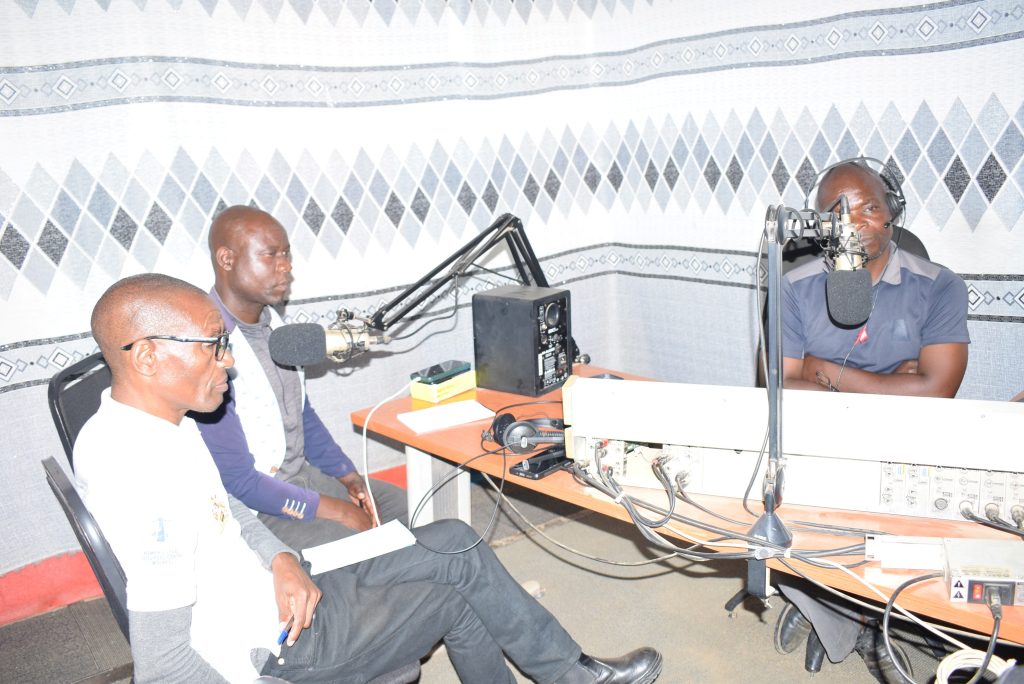

Through this program, community members had the opportunity to make phone calls, commenting on the government’s decision to adopt a bottom-up approach. They cited that this method would help identify the right beneficiaries and address challenges faced with the UBR method, such as the inclusion of deceased individuals on the beneficiary list and others benefiting from different government programs. During the calls, community members highlighted the importance of increasing awareness about the beneficiary selection process to improve understanding of the qualifications needed to benefit from the program and to prevent unnecessary disputes within communities.
By engaging with local communities through radio, CISANET aims to enhance transparency, accountability, and participation in the AIP, ultimately contributing to the program’s effectiveness and impact