
On January 12 and 14, 2026, CISANET, through the Combating Corruption in the Affordable Inputs Program (COCOA) project, organized district interface meetings in Phalombe and Dedza. These meetings aimed to disseminate findings from the Affordable Input Programme (AIP) scorecard exercise, engage local authorities in discussions on their roles in preventing corruption and related malpractices within the Farm Input Subsidy Programme (FISP), explain the functionality of established Grievance Redress Mechanisms, outline reporting procedures for beneficiaries lodging complaints, and clarify how village chiefs can accurately identify deserving FISP beneficiaries using the bottom-up selection method.
The meetings convened Traditional Authorities, Ward Councilors, Area Stakeholder Panel chairs, community members, civil society network members, the District Agriculture Extension Coordinating Committee (DAECC), and representatives of the Phalombe and Dedza district councils. Local authorities acknowledged that the findings reflected the realities faced by beneficiaries. Issues highlighted included limited accessibility to selling depots, delayed delivery of inputs, political interference, poor network connectivity during redemption, and alleged corruption, which hinder citizens from redeeming inputs for the 2025/2026 farming season, thereby underscoring the urgent need for program reform to ensure it meets its intended objectives.
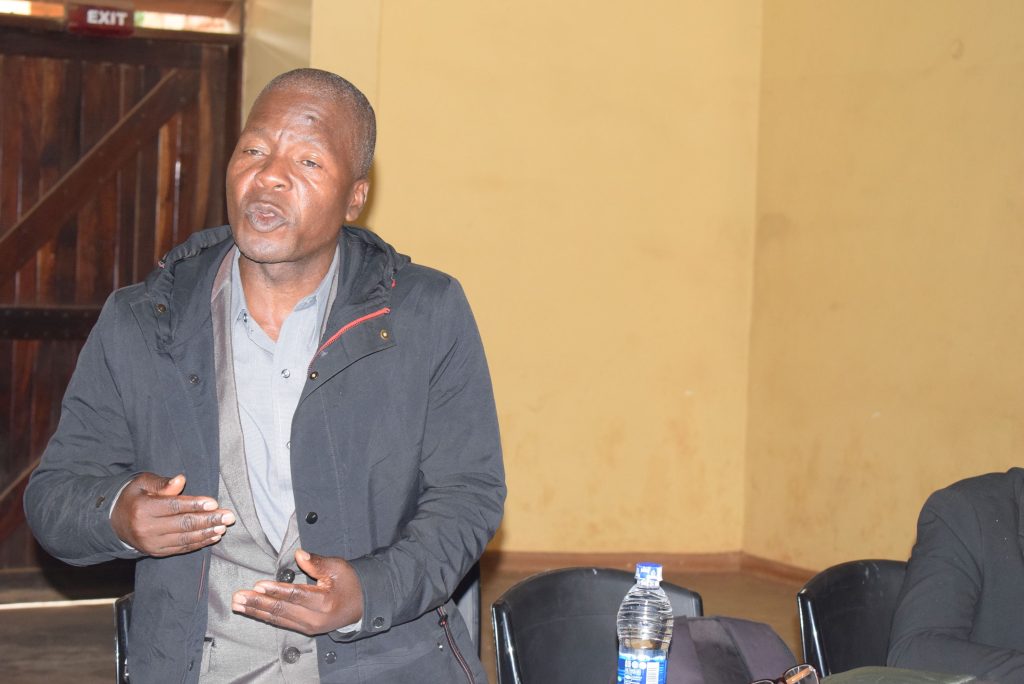
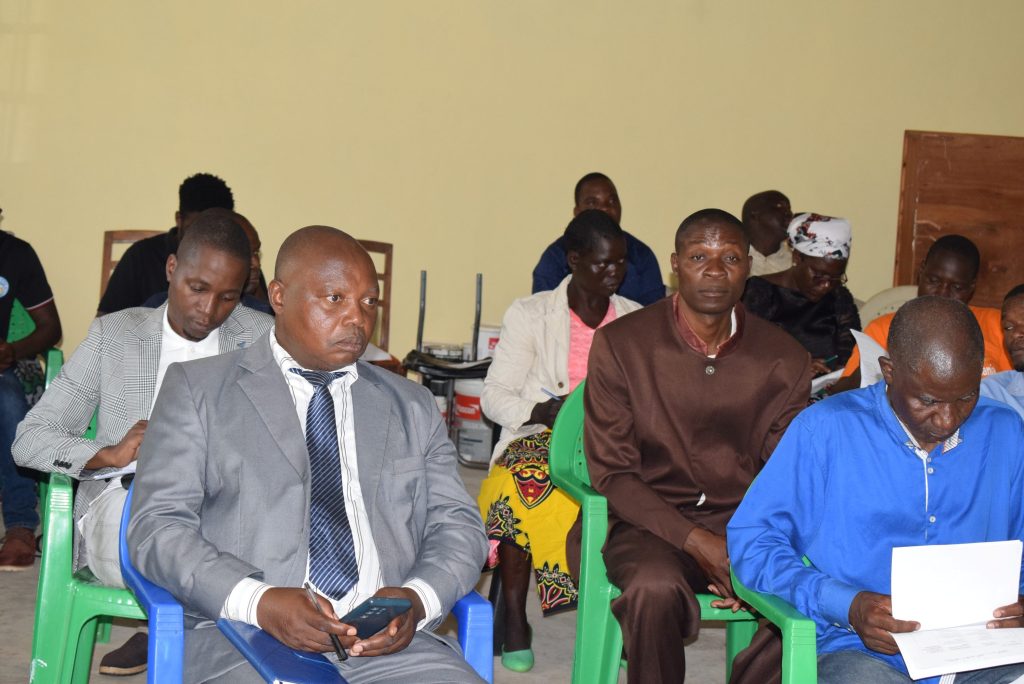
The meeting provided an opportunity for the leaders to deliberate on measures that they think must be instituted to curb the myriad malpractices registered every year since the inception of the program. Among other suggestions, participants proposed reintroducing coupons rather than using the national identity card to avoid spending more time at the selling depots due to poor network connectivity. The participants also emphasized that extension workers should be closely monitored as they carry out the beneficiary registration exercise, citing that they are the epicenter of corrupt practices at the beneficiary identification level. Furthermore, the government should ensure the program commences at the right time to allow farmers to purchase the inputs before their crops exceed the fertilizer application period. They also stated that seed prices must be affordable to enable smallholder farmers to plant improved seeds, thereby enhancing agricultural productivity. The local authorities also requested that the government should increase the number of selling points to end the distance barrier that affects beneficiaries during the redemption process.
Finally, the participants highlighted that if the government continues to struggle to address the identified challenges, it should consider ending the program and introducing a universal subsidy that will enable every citizen to buy the inputs easily.
Speaking during the meeting, the Ministry of Agriculture representative emphasized that it is essential that all the relevant state and non-state actors work together, as the program’s success is dependent on collaborative efforts. Therefore, increased coordination can help the program attain its primary goal.
CISANET will continue engaging policymakers and present the identified gaps from the FISP so that they can swiftly act on them to ensure that the program reaches the intended smallholder farmers.