
CISANET joined partners, civil society organizations (CSOs), and councils from Mbelwa, Dedza, and Chikwawa districts in a five-day Resource Mobilization and Project Design Workshop organized by GIZ under the Food Systems Transformation Project. The workshop was designed to strengthen participants’ skills in project design, enhance their knowledge of resource mobilization strategies, and foster collaboration and networking with the aim of strengthening capacities for mobilizing financial and strategic resources for food systems transformation.
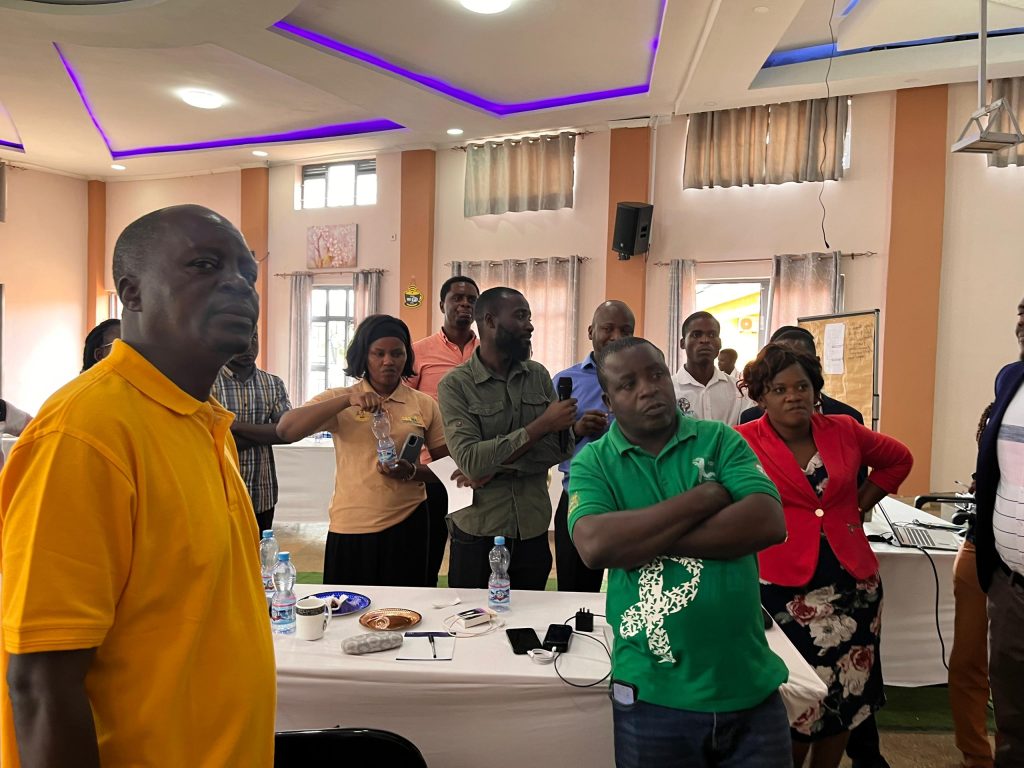
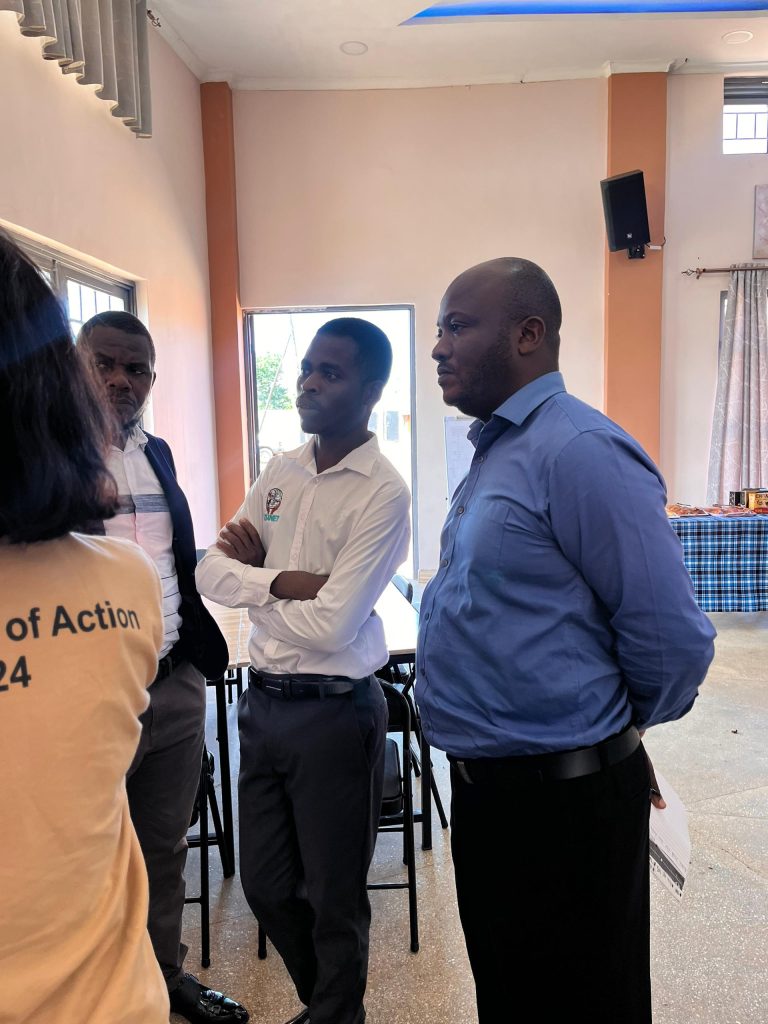
During the workshop, all three councils delivered presentations highlighting the progress made in advancing food systems transformation since the project’s inception, as well as the challenges encountered. Among the key issues raised were poor coordination among stakeholders, inadequate road infrastructure, a centralized government structure that limits councils’ direct access to development funding, the persistent impacts of climate change, and limited extension services that continue to hinder progress in transforming food systems.
The workshop focused on building a strong foundation in project design, enabling participants to better understand critical processes such as project planning, proposal development, and the creation of sustainable fundraising strategies. Emphasis was also placed on the importance of thorough problem identification and needs assessment, which inform effective stakeholder analysis and ensure that projects target the right beneficiaries and achieve intended outcomes.
Participants had the opportunity to apply the knowledge gained by engaging in practical exercises, including problem and solution tree analysis and development of theory of change. They also learned how to translate identified issues into outputs, outcomes, and impacts through comprehensive logframe development, ensuring clear linkages between each stage of the project cycle and the overall goal.
On the final day, participants visited Makoka Agricultural Research Station, where they gained insights into various ongoing research initiatives. The visit highlighted the importance of crop diversification as a strategy to combat hunger and support food systems transformation in Malawi.
CISANET remains committed to working closely with partners and other non-state actors to advance agricultural development and improve livelihoods across Malawi.